## Prefab Cabin vs Modular Home — What Is the Actual Difference?
The terms "prefab cabin," "modular home," and "manufactured home" are often used interchangeably in BC real estate conversations, but they refer to distinct building categories with different regulatory treatment, financing options, and long-term value. Understanding these differences is critical before you invest.
### Definitions That Matter
**Prefab Cabin (Prefabricated Cabin)**
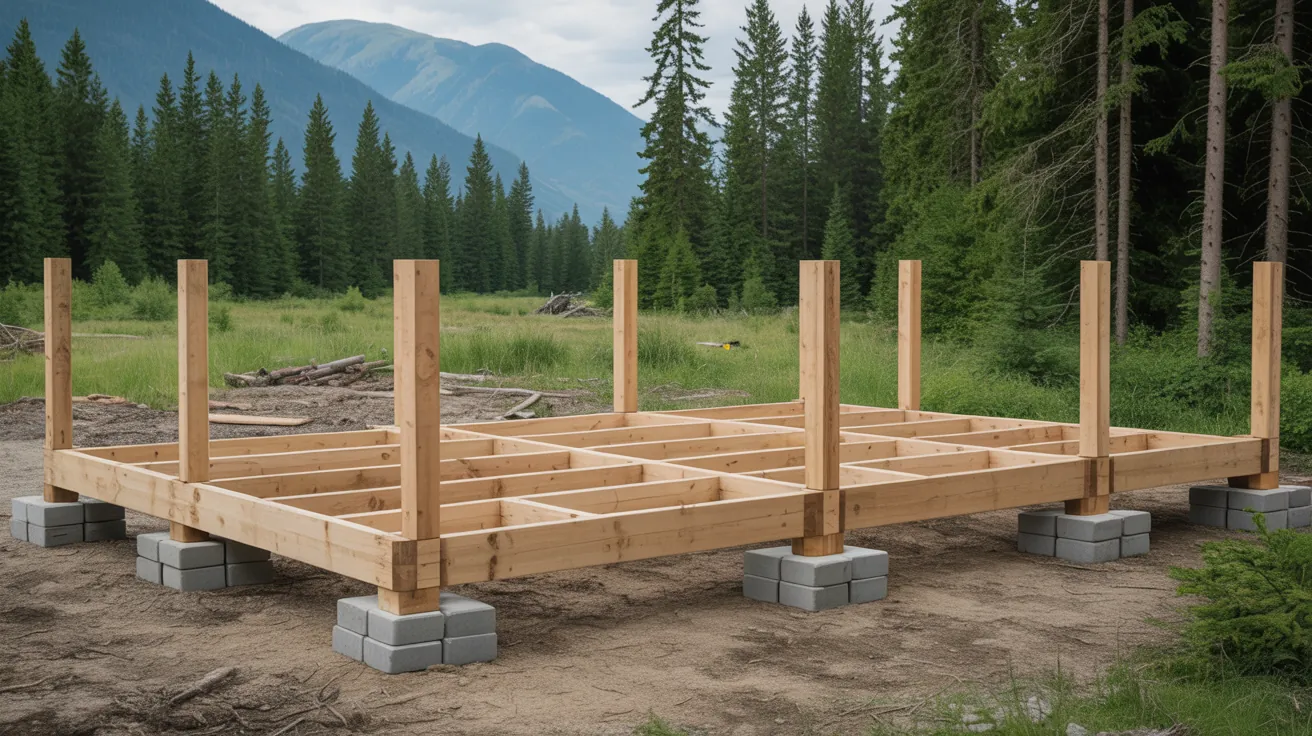
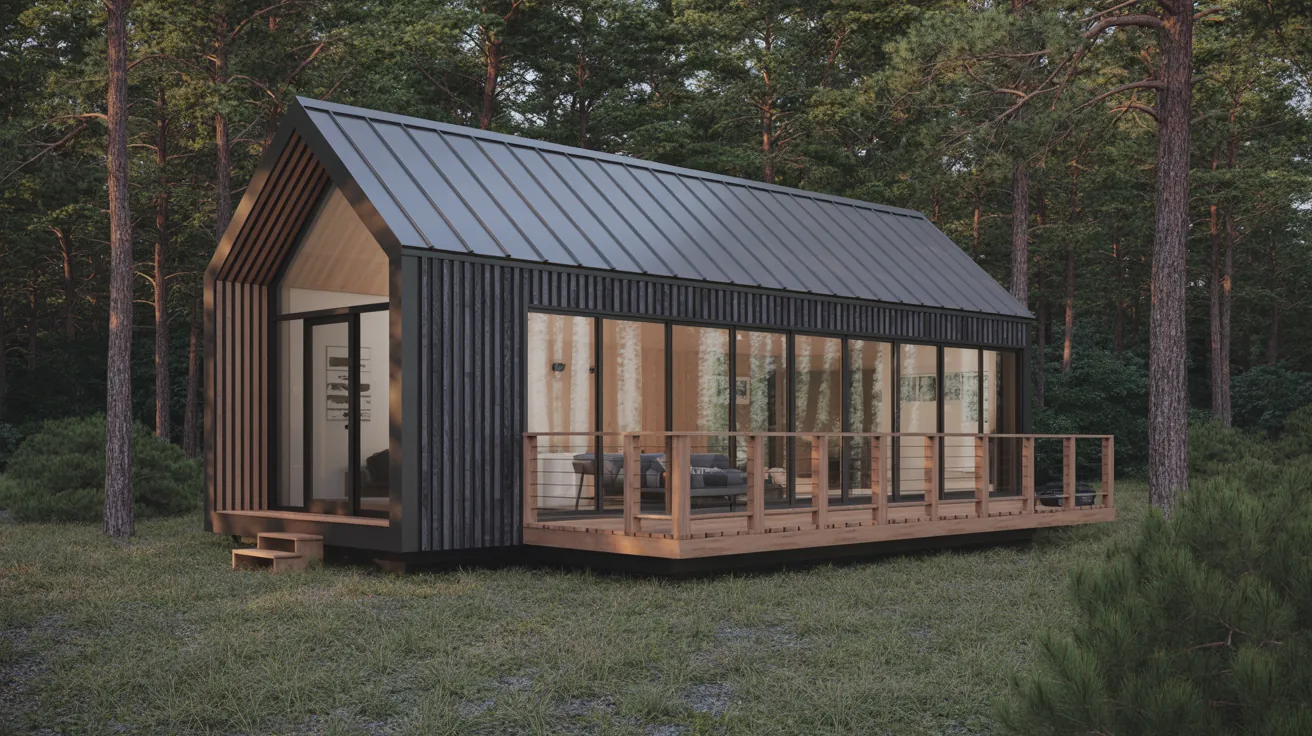
A factory-built structure designed as a complete dwelling or accessory unit. Avanta Homes cabins are built to the **BC Building Code (Part 9 — Residential)**, transported as a single unit or limited number of sections, and permanently installed on a prepared foundation. They are classified as real property once affixed to land.
**Modular Home**
A factory-built home constructed in two or more modules that are transported to the site and joined together. Modular homes comply with the same building codes as site-built homes (BC Building Code Part 9 or Part 3 for larger structures). They are considered real property.
**Manufactured Home (Mobile Home)**
Built to the **CSA Z240** standard (a national standard specific to manufactured housing, not the BC Building Code). Manufactured homes are transported on a permanent steel chassis with wheels. They are classified as personal property (like a vehicle) rather than real property unless specific conditions are met.
### Code Compliance Comparison
| Feature | Prefab Cabin | Modular Home | Manufactured Home |
|---|---|---|---|
| Building Standard | BC Building Code Part 9 | BC Building Code Part 9/3 | CSA Z240 |
| Foundation | Permanent (piers, piles, slab) | Permanent | Steel chassis (may be skirted) |
| Legal Classification | Real property | Real property | Personal property* |
| Municipal Permit | Required | Required | Varies — often park-specific |
| Inspection Authority | Local building inspector | Local building inspector | Third-party certification |
*Manufactured homes can be reclassified as real property in some circumstances, but this is not automatic.
### Why the Code Distinction Matters
The building code your structure is built to determines **everything** downstream: financing eligibility, insurance rates, property tax treatment, resale value, and legal status as an ADU.
**BC Building Code compliance** (which Avanta Homes cabins meet) means:
- Banks and credit unions will issue standard construction loans and mortgages
- CMHC insurance is available for qualified buyers
- The structure adds assessed value to your property for tax (and resale) purposes
- It qualifies as a legal ADU under Bill 44 and municipal bylaws
- Standard homeowner insurance policies apply
**CSA Z240 compliance** (manufactured homes) means:
- Financing options are limited to chattel loans (higher interest rates)
- CMHC insurance is generally not available
- May not qualify as a legal ADU in many municipalities
- Insurance through specialty providers (often more expensive)
- Resale value depreciates like a vehicle in most cases
### Construction Quality Comparison
**Factory Environment Advantages**
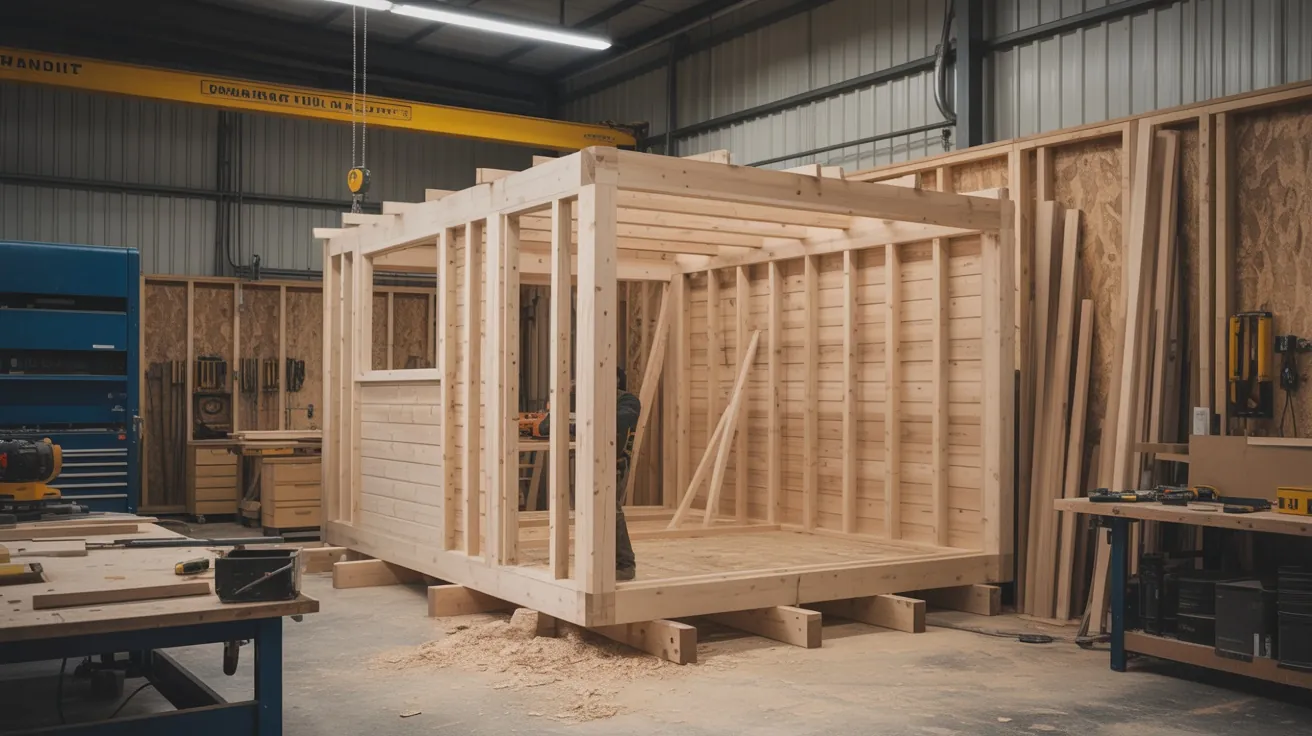
Both prefab cabins and modular homes benefit from controlled factory environments: no rain damage during framing, precision cuts with CNC equipment, consistent material quality, and rigorous quality control checkpoints. This is a shared advantage over traditional stick-built construction.
**Where Prefab Cabins Excel**
Avanta Homes prefab cabins are designed as single-unit structures, which means:
- No seam where modules join (a common weakness in multi-module modular homes)
- Simpler, faster installation (one lift, one placement)
- Easier waterproofing and air sealing (no field-assembled joints)
- Lower delivery cost (single wide-load vs multiple loads)
**Where Modular Homes Excel**
Modular homes can achieve larger floor plans (1,200 – 3,000+ sq ft) by joining multiple modules. For full-size family homes, modular construction offers the best balance of factory quality and residential scale.
### Cost Comparison in BC (2026)
| Type | Cost per Sq Ft (installed) | Typical Total (400 sq ft) |
|---|---|---|
| Prefab Cabin | $250 – $400 | $100,000 – $160,000 |
| Modular Home | $275 – $450 | $110,000 – $180,000 |
| Manufactured Home | $150 – $250 | $60,000 – $100,000 |
| Site-Built | $350 – $550 | $140,000 – $220,000 |
Manufactured homes appear cheapest upfront but carry higher long-term costs due to depreciation, higher financing rates, and lower resale value.
### Financing Deep Dive
**Prefab Cabins and Modular Homes**: Eligible for conventional mortgages, CMHC-insured loans, and home equity lines of credit (HELOCs). If you are adding an ADU to an existing property, most lenders will offer construction financing secured against your land.
**Manufactured Homes**: Limited to chattel loans from specialty lenders. Interest rates are typically 2 – 4% higher than conventional mortgages. Loan terms are shorter (15 – 20 years vs 25 – 30 years).
### Insurance Considerations
Standard home insurance providers (ICBC-affiliated, Wawanesa, Co-operators, Intact) readily cover BC Building Code-compliant prefab cabins. Coverage includes the structure, contents, and liability — the same as any site-built home.
Manufactured homes often require specialty insurance through providers like Park Insurance or BCAA's mobile home program. Premiums can be 30 – 60% higher for equivalent coverage.
### Resale Value and Appreciation
This is where the distinction has the most financial impact over time:
- **Prefab cabins on permanent foundations** appreciate with the land. BC Real Estate Board data shows properties with legal ADUs appreciating 15 – 25% faster than comparable lots without.
- **Modular homes** appreciate similarly to site-built homes, especially in desirable BC locations.
- **Manufactured homes** typically depreciate 3 – 5% per year, similar to a vehicle, unless located in a high-demand manufactured home park with appreciating pad fees.
### Timeline Comparison
| Phase | Prefab Cabin | Modular Home | Site-Built |
|---|---|---|---|
| Design & Permits | 4 – 8 weeks | 6 – 12 weeks | 8 – 16 weeks |
| Factory Build | 4 – 8 weeks | 8 – 16 weeks | N/A |
| Site Prep & Foundation | 2 – 4 weeks | 2 – 6 weeks | 2 – 6 weeks |
| Delivery & Installation | 1 – 2 days | 1 – 2 weeks | 4 – 8 months |
| **Total** | **8 – 14 weeks** | **14 – 28 weeks** | **6 – 12 months** |
### Which Is Right for You?
**Choose a prefab cabin if**: You want an ADU, backyard office, guest suite, or rental unit under 600 sq ft with the fastest timeline and lowest all-in cost while maintaining real property status.
**Choose a modular home if**: You need a full-size primary residence (1,000+ sq ft) with the quality benefits of factory construction.
**Avoid manufactured homes if**: You plan to place the unit on private land as a permanent ADU — most BC municipalities will not issue permits for CSA Z240 structures as legal secondary suites.
### The Avanta Homes Advantage
Every Avanta Homes cabin is built to the BC Building Code, installed on a permanent foundation, and classified as real property. That means full mortgage eligibility, standard insurance rates, assessed property value, and long-term appreciation. Contact us for a free consultation to find the right model for your property.
Modular HomeManufactured HomeComparisonBuilding CodeFinancing
Ready to Start Your Cabin Project?
Explore our 24 prefab cabin models designed for BC conditions.